Behavioral health Philippine workplace leaders are only beginning to take seriously as a measurable driver of productivity and long-term retention. Mental health conversations are finally happening in Philippine companies — but behavioral health is still the quieter, less visible part of employee wellness that most HR programs haven’t fully addressed. If your team is struggling with chronic stress, conflict, disengagement, or high turnover — behavioral health is almost certainly part of the story.

What Behavioral Health Actually Covers
- Stress management — How employees recognize and respond to workplace stressors before they become chronic.
- Sleep and recovery habits — Whether employees are getting adequate rest or running on chronic sleep deficit.
- Emotional regulation — The ability to manage frustration, disappointment, and conflict without damaging relationships or productivity.
- Health behaviors — Exercise, nutrition, and movement habits that directly affect mental and emotional state.
Behavioral health Philippine workplace: what HR can do today
- Normalize the conversation. When executives talk openly about stress and mental health, it sends a powerful signal that employees can do the same.
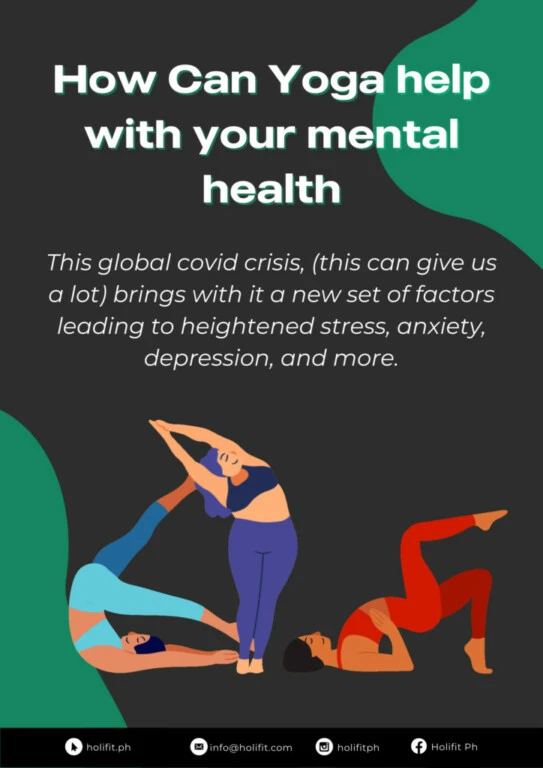
- Build physical wellness into the program. Regular physical activity reduces anxiety, improves sleep, and builds emotional resilience employees need to handle workplace stress.
- Create structured recovery time. Scheduled breaks and clear boundaries around after-hours communication are behavioral health infrastructure.
- Train managers in behavioral health awareness. Managers are often the first to notice behavioral changes in their team.
- Offer accessible support resources. Employee assistance programs should be widely communicated and genuinely easy to use.
Why Behavioral Health Gets Missed in Philippine Companies
The behavioral health Philippine workplace conversation lags behind the mental health one for a simple reason: behaviors hide in plain sight. An employee running on five hours of sleep, skipping meals, or quietly withdrawing from teammates still shows up and still hits deadlines — until they do not. Hiya keeps many Filipino employees from raising struggles early, and high performers are often the best at masking them. By the time behavioral issues surface as conflict, absenteeism, or a resignation letter, the pattern has usually been running for months.
Company support structures also tend to be reactive. Assistance programs and counseling benefits only activate when an employee self-identifies as struggling — which is precisely what stigma prevents. That is why utilization of these benefits stays low even in companies that genuinely invest in them. The Philippines’ Department of Labor and Employment has been pushing companies toward proactive rather than reactive support — DOLE’s own collaboration with the Employees’ Compensation Commission reflects the same shift toward earlier intervention rather than waiting for a crisis.
Building a Behavioral Health Philippine Workplace Baseline
The practical fix is to stop waiting for employees to raise their hands. Start with an anonymous team-level assessment covering sleep, stress, activity, and eating patterns, so HR sees aggregate risk without exposing individuals. Train team leads to notice behavioral shifts — withdrawal, irritability, declining output quality — and respond with a conversation rather than a performance warning. Then normalize the topic by building it into your regular wellness programming instead of treating it as a crisis service.
Measured this way, behavioral health becomes trackable: participation rates, absenteeism trends, and pulse-survey movement give HR a baseline and a direction. It works best woven into a holistic program that already addresses the physical, nutritional, social, and financial pressures driving the behaviors in the first place.
The goal is not to turn managers into therapists — it is to shorten the distance between an employee struggling and an employee getting support, so problems are addressed while they are still small.
How HoliFit Supports Behavioral Health Through Corporate Wellness
HoliFit’s corporate wellness programs combine structured physical activity, team engagement, and wellness education in a format built to support behavioral health Philippine workplace teams can actually sustain. Schedule a free consultation with HoliFit and start building a healthier workplace today.
Further reading: How to Manage Employee Stress for Better Mental Health, How to Combat Burnout in the Polywork Era, What Causes Post-Bonus Emotional Crashes and How to Cope?.